

Grief and bereavement
Grief is a heavy and ever-present topic. How does one process the sorrow of losing a loved one? Grief activates the same system in the body as stress, affecting how you function and behave. The sorrow remains throughout life. While it often eases with time, it can resurface with varying intensity at different moments. Over time, you learn to live with it.
The grieving process aims to help you understand the significance of what has happened and adapt to a changed life situation. Grief is the price of love, and the pain of loss signifies the deep importance of the person we have lost. This text primarily focuses on grief that follows after losing a loved one.
What is grief?
Grief encompasses the emotions, thoughts, physical reactions, and behavioural changes you may experience following a loss or significant life change. Any major shift in life can trigger grief. You might grieve when life does not turn out as expected or when something you had hoped for does not come to pass. Grief is, therefore, a natural part of life, and it is rare to go through life without experiencing it. Most people feel a need to grieve after a loss.
How to process grief

Talking to others about your feelings and expressing the type of support you need can help, even if it feels like no one truly understands. You might consider joining a support group or writing down your thoughts and feelings, perhaps in a letter to the deceased. Engaging with books, music, or films about grief may also help, as recognising that others feel similarly can provide comfort.
Seeking clarity on aspects surrounding the person’s passing can be beneficial. Participating in rituals, such as a funeral, can help process the loss. Some find comfort in maintaining a sense of connection with the deceased—lighting a candle, visiting a special place, or keeping a meaningful object. The deceased’s social media or blog may serve as a space to continue sharing thoughts and memories.
Grief after the death of a loved one

Grief can arise from different types of losses. Most people experience grief at least once in their lifetime. In many cases, grief gradually subsides without requiring professional intervention.
Some cry a lot when grieving, while others do not cry at all. Some need to talk about what has happened, whereas others prefer to grieve in solitude. A person may also experience different reactions to grief at different times.
Common reactions to grief
Grief can manifest in various ways, including:
Questions that may arise during grief
Grief often triggers existential questions such as:
What is the meaning of life?
Why did this happen?
Why am I the one suffering this loss?
How can my life regain meaning?
Anger and guilt in grief
You may feel anger towards the deceased for leaving you behind, towards a doctor for not being able to save them, or even towards someone who says something insensitive. Guilt is also common – some feel guilty for surviving when their loved one has passed, while others regret things they said or did before the person’s death. Emotions may shift rapidly.
It can also be hard to comprehend that the loss has actually occurred. Some experience numbness or detachment from their surroundings, making it difficult to access their emotions. Others might feel they should be sadder but instead feel emotionally distant.
The emotional impact of grief
Grief often creates a sense of existential loneliness. You may feel that others do not understand, or you might find it difficult to grieve in the presence of others. While withdrawing occasionally is natural, try not to isolate yourself completely. Accepting invitations to social events, even when you do not feel like it, can be helpful.
Do not feel guilty if you find moments of happiness or distraction amidst your grief.
The physical impact of grief
Grief can also manifest physically. You may experience:
Fatigue and exhaustion
Sleep disturbances, such as sleeping too little or too much
Headaches, stomach pain, or other physical discomfort
Changes in appetite, eating more or less than usual
Loss of interest in activities
A weakened immune system, making you more susceptible to infections
Grief can affect concentration

Grief can make it difficult to concentrate, process information, or make decisions. Tasks may take longer than usual. Some people experience moments where they feel the deceased is still present – hearing, seeing, or sensing them nearby. It is also common to talk to the deceased.
The nature of grief may depend on the circumstances of the loss. If the death was expected, there may have been time to prepare. A sudden or traumatic loss can make grieving even more complex.
The relationship with the deceased affects grieving
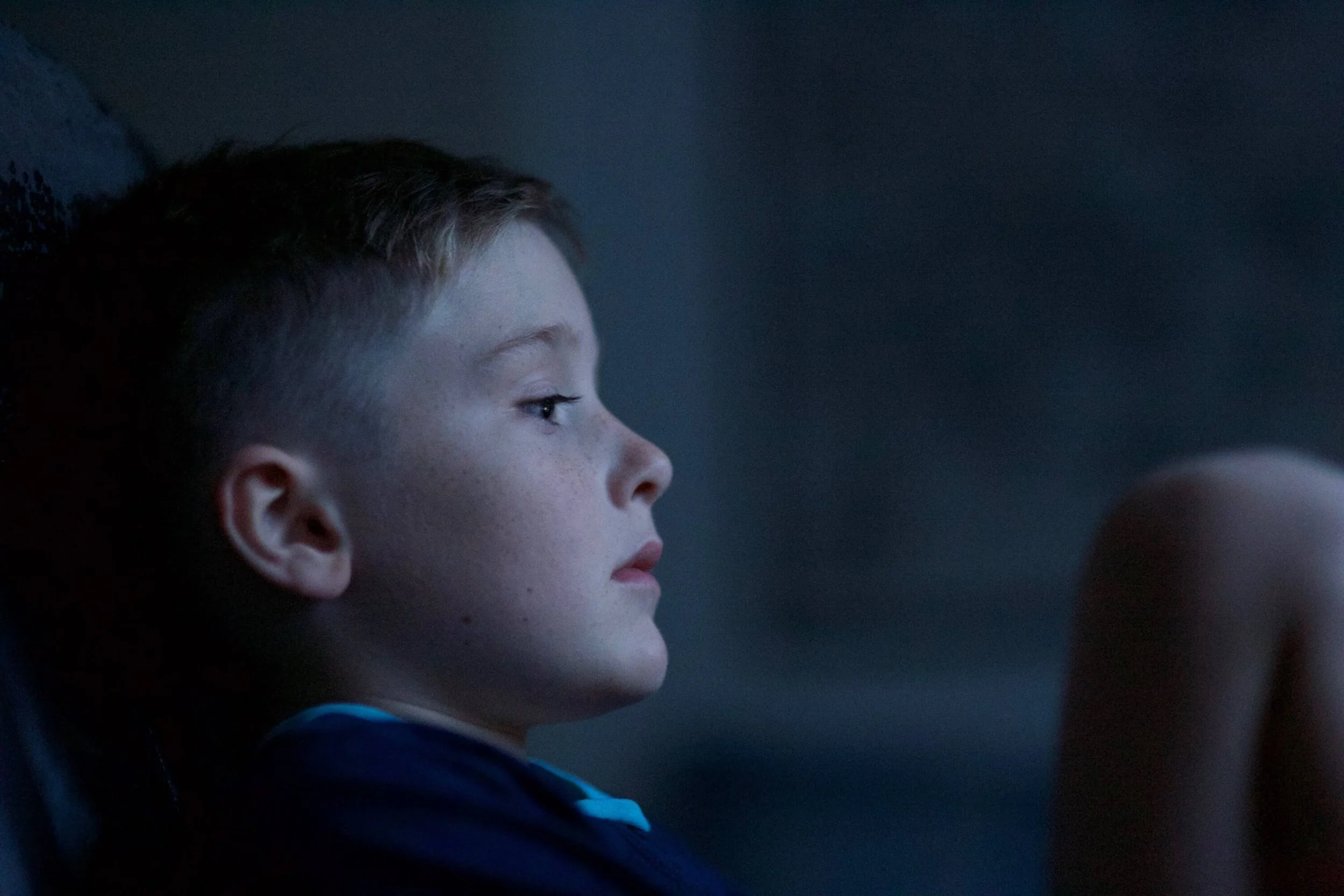
The grieving process is influenced by your relationship with the deceased and whether they were an adult or a child. The loss of a child or young person can bring additional grief for the life experiences they never had. Grieving also varies based on individual personality, age, upbringing, past experiences, and the level of support available.
Since grief activates the body's stress response, it can affect both mental and physical health. High levels of stress hormones can weaken the immune system, making the bereaved more vulnerable to illness. Grief can resemble depression, but it is not the same. While grief is not a disease, it can still have a profound impact on well-being.
Processing grief through therapy

Therapy can help individuals verbalise their pain and loss and explore aspects of their grief that may be difficult to process. It provides tools to cope with painful emotions, understand the grieving process, and adapt to life after loss. Therapy can also help address traumatic memories and intrusive thoughts that may be associated with the death.
While grief has no fixed timeline, both acknowledging the loss and moving forward are essential. Over time, colours return to life, and meaning and joy can be found again. Some may feel guilty for moving forward, but it is possible to grieve while also embracing life.
Supporting someone in grief
If you are supporting someone who is grieving, remember that listening is more important than offering advice. Many grieving individuals want to talk about their loss and their loved one. Be present, ask how they are, and do not be afraid to reach out multiple times, even if they seem distant.
Offer practical support – help with household tasks, cook a meal, or accompany them on errands. Let them know you care without pressuring them to talk. Recognise that grief is a long process, and support should extend beyond the immediate aftermath of loss.
Grieving children and young people
Children grieve differently from adults. Their understanding of death evolves with age, and they often express grief through play, drawings, or other creative outlets. Children should be involved in discussions about loss at a level appropriate for their age. Honesty and clear explanations help them process what has happened.
If a parent dies, the child needs the remaining parent or a close caregiver for stability. Practical support from extended family or friends can be invaluable. Participation in rituals, such as funerals, can help children understand and process loss. If grief reactions become overwhelming or persist for an extended period, professional support may be necessary.
Moving forward after bereavement
Grief work is an ongoing process that requires time and emotional energy. Everyone grieves differently, and there is no "right" way to do it. Over time, moments of deep pain become less frequent, and life gradually regains meaning.
Though the loss will always be a part of you, healing allows you to carry the memory of your loved one in a way that is less painful. Accepting grief does not mean forgetting – it means finding a way to integrate the loss into your life while still moving forward.
If you are struggling with grief, therapy can offer support and guidance to help you process your emotions and find ways to rebuild your life.