

social anxiety disorder
(social phobia)
What is social anxiety disorder?
Social anxiety disorder, or social phobia, is a common condition that can significantly impact daily life. There is a general form of social anxiety where individuals feel anxious in a wide range of social situations, such as speaking on the phone in public, interacting with a cashier, or engaging in casual conversations. There is also a more specific form where anxiety is centred around particular situations, such as giving presentations.
Social anxiety at work
Most people feel nervous before public speaking, but they can usually push through when necessary, such as in academic or professional settings. However, for those suffering from social anxiety disorder, the fear is so intense that it interferes with functioning at work, in social life, relationships, or other important areas.
Feeling shy occasionally is normal, but social anxiety is characterised by a deep fear of being the centre of attention. This can stem from a fear of being judged or scrutinised by others, leading to avoidance of social situations to escape discomfort. Even when individuals do engage in these situations, they often find them exhausting and overwhelming. Many people with social anxiety also fear showing signs of nervousness, believing it will lead to a loss of respect or self-worth.
Symptoms of social anxiety disorder
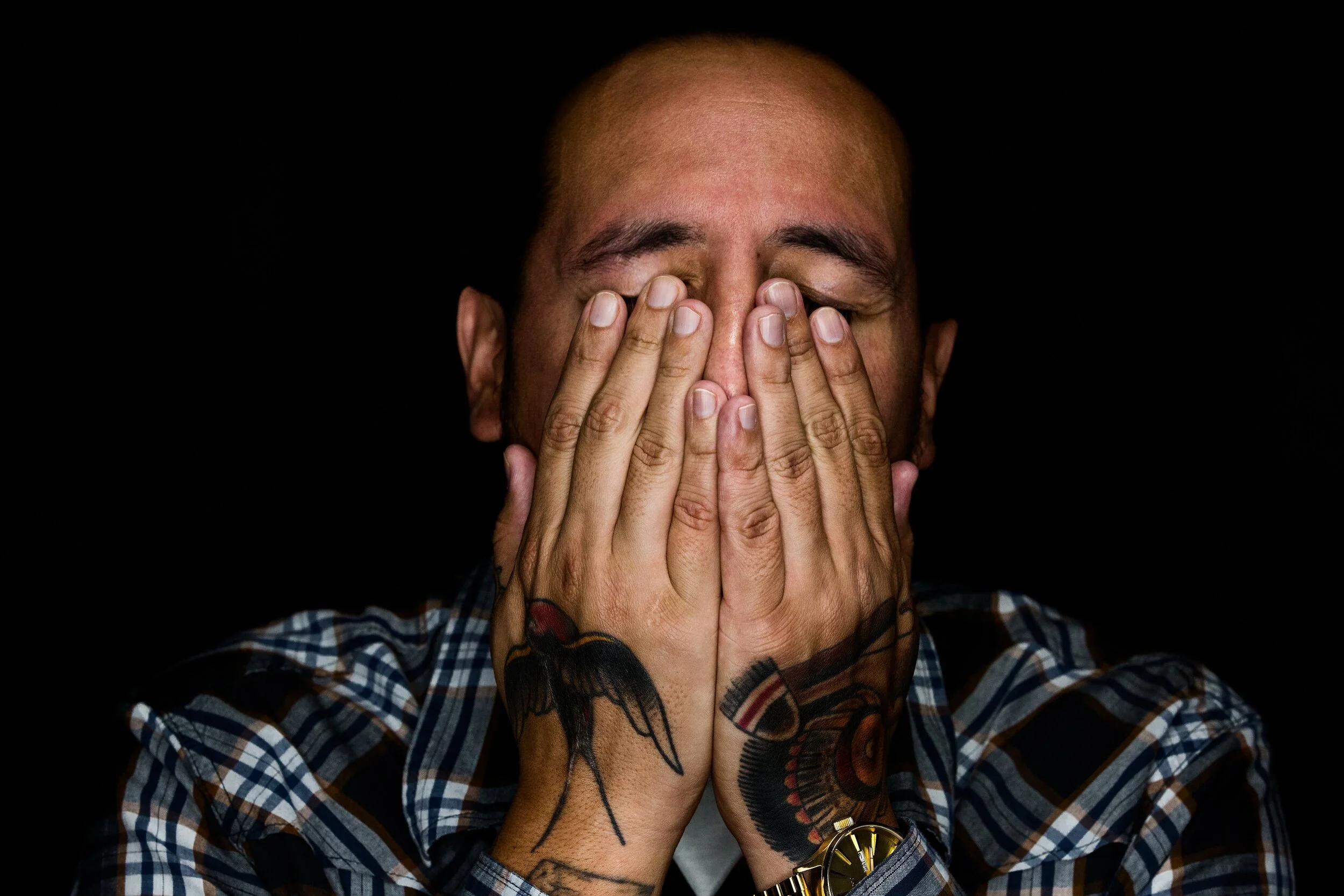
Common symptoms of social anxiety disorder include:
Excessive sweating
Involuntary shaking or trembling
Blushing
Rapid heartbeat
When anxiety strikes, individuals may struggle to think clearly, forget words, or lose track of their thoughts, which further increases their nervousness and anxiety.
How our psychologists can help with social anxiety

Living with social anxiety can be incredibly limiting. Our psychologists in London and online offer tailored support to help you move forward and improve your well-being. Book a free consultation today, and we will guide you towards the right treatment and support.
Avoidance and safety behaviours maintain social anxiety
Many individuals with social anxiety develop avoidance behaviours to cope with their fear. This might include calling in sick on the day of a scheduled presentation, skipping a social event where new people will be present, or drinking alcohol to manage anxiety at social gatherings. These strategies provide short-term relief but reinforce the anxiety in the long run.
For example, if someone drinks alcohol before a social event, they may attribute their ability to handle the situation to the alcohol rather than their own resilience. This prevents them from realising that they can manage social situations without avoidance tactics.
Overcoming social anxiety through exposure therapy
One of the most effective ways to treat social anxiety is through gradual exposure therapy. This involves identifying avoidance behaviours and progressively facing feared situations. By exposing themselves to social situations despite their anxiety, individuals learn that their fears are exaggerated and that their catastrophic thoughts do not come true.
For example, someone who fears fainting during a presentation will realise that their anxiety, while distressing, does not lead to the extreme outcome they imagined. Ideally, exposure continues until the anxiety naturally decreases. However, studies show that even if the anxiety does not fully subside in the moment, just facing the fear leads to significant improvements over time.
Cognitive distortions in social anxiety
A common cognitive distortion in social anxiety is called mind reading, where individuals assume that others are thinking negatively about them.
People with social anxiety often fear embarrassment or judgment but struggle to differentiate between their assumptions and reality. In therapy, individuals learn to identify automatic negative thoughts and distinguish them from more rational thinking patterns.
Overcoming social anxiety through exposure therapy

One of the most effective ways to treat social anxiety is through gradual exposure therapy. This involves identifying avoidance behaviours and progressively facing feared situations. By exposing themselves to social situations despite their anxiety, individuals learn that their fears are exaggerated and that their catastrophic thoughts do not come true.
For example, someone who fears fainting during a presentation will realise that their anxiety, while distressing, does not lead to the extreme outcome they imagined. Ideally, exposure continues until the anxiety naturally decreases. However, studies show that even if the anxiety does not fully subside in the moment, just facing the fear leads to significant improvements over time.
Cognitive distortions in social anxiety

A common cognitive distortion in social anxiety is called mind reading, where individuals assume that others are thinking negatively about them.
People with social anxiety often fear embarrassment or judgment but struggle to differentiate between their assumptions and reality. In therapy, individuals learn to identify automatic negative thoughts and distinguish them from more rational thinking patterns.
Mindfulness a way of managing social anxiety
Practising mindfulness – staying engaged in the present moment – helps reduce the tendency to get lost in anxious thoughts. By focusing on the here and now, individuals can prevent themselves from overanalyzing social situations.
For example, instead of excessively rehearsing a presentation beforehand or dwelling on past interactions, practising mindfulness allows a person to engage naturally in the moment without feeding their anxiety. Over-preparing can act as a safety behaviour that reinforces anxiety, rather than helping to overcome it.
Post-event rumination in social anxiety
A common issue for individuals with social anxiety is post-mortem analysis – the tendency to excessively replay and criticise social interactions after they occur. They may fixate on perceived mistakes and overestimate how much others noticed or judged them. This type of rumination lowers self-confidence and increases anxiety about future interactions.
How is social anxiety treated?
The most effective treatment for social anxiety disorder is Cognitive Behavioural Therapy (CBT). CBT helps individuals:
Identify and challenge irrational thoughts about social situations
Gradually expose themselves to feared situations in a structured way
Reduce avoidance behaviours that maintain anxiety
Develop long-term coping strategies for managing social anxiety
Our psychologists and therapists specialise in treating social anxiety disorder, and you can receive fast, professional help. Contact us today for expert guidance and support.